IT´S FREE AND WITHOUT OBLIGATION! You have nothing to lose and everything to gain! There is NEVER any obligation whatsoever and NO CREDIT CARD REQUIRED.
FULL ACCESS TO WOMEN´S PROFILES AND FEATURES! You´ll have full FREE access to all of the women´s profile information including all available photos and other enhanced features to assist you in exploring your opportunities.
START RECEIVING LETTERS FROM WOMEN! Our real, live, local Matchmakers go to work for you immediately – at NO COST - matching your profile to potential women in their city or region! Most men begin receiving letters from qualified women within a day or two – sometimes even just hours.
OPPORTUNITY TO VIEW WOMEN´S VIDEOS! You´ll have the opportunity to view the women´s profile videos (if available) produced by our local staff and found exclusively here!
YOU ARE IN CONTROL! YOU are in control. YOU choose who, how and IF you want to communicate with a woman. NEVER any obligation!
CUSTOMER SERVICE THAT IS UNMATCHED Questions? Concerns? We invite you to call us or otherwise contact us anytime! Our contact information is at the bottom of nearly every page.
Set Up Your Account Here
Is there any REAL reason to wait? It's FREE, instant and without obligation
to register NOW!
It’s the first step in possibly the most rewarding romantic adventure of your lifetime!
When to Walk Away from Someone with Mental Illness
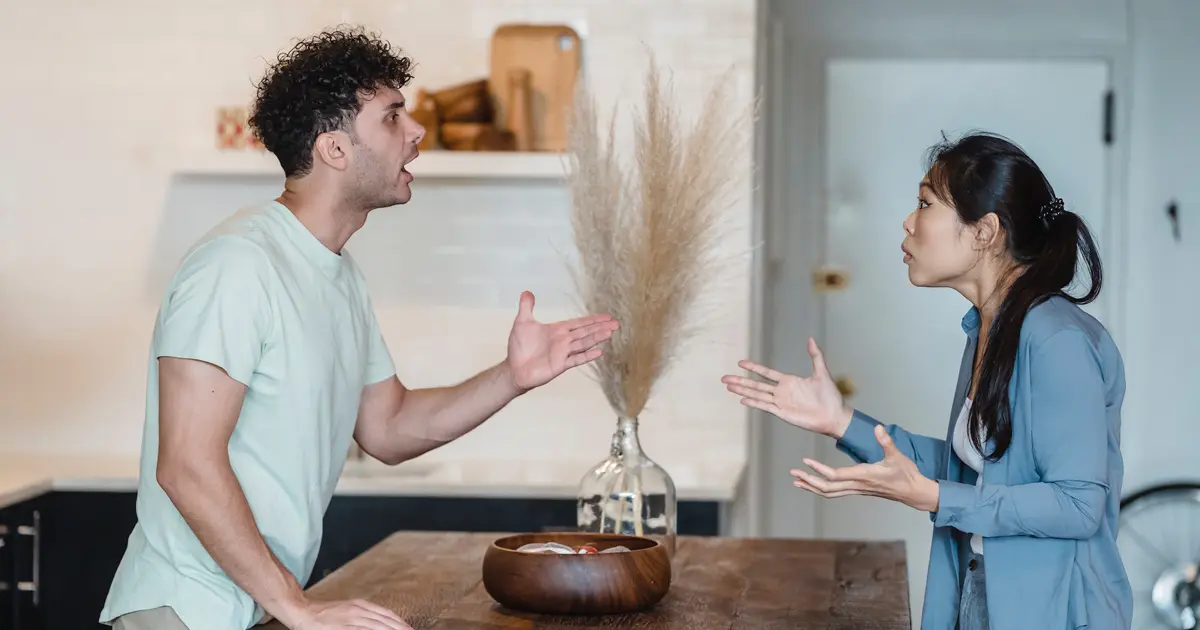
A woman wondering when to walk away from someone with mental illness
Learn when to walk away from someone with mental illness and don’t blame yourself
for the problem.
What should you do when dealing with mental illness in relationships?
Go beyond a surface-level understanding of mental illness.
Uncover what it takes to face this fight.
Don’t forget to look out for yourself.
Know when to walk away with someone with mental illness or stick around.
Every relationship has its ups and downs, and for some, mental illness is a difficult path they
need to tread on.
With 23.1% of American adults in 2022 suffering from a mental health condition, a relationship
wherein one or both partners is a scenario that’s increasingly becoming more common
(Duszynski-Goodman 2024).
A mental health concern becomes an illness when signs and symptoms frequently cause stress and
affect one’s overall behavior and capacity to function. A few examples are depression, anxiety
disorder, eating disorder, and addiction. It has a significant impact on one’s work life and
relationships, especially those that are intimate.
Loving someone with a mental illness can be complicated, overwhelming, and frustrating. You may
go through painful episodes and find yourself clueless about what to do, and sometimes, you even
think it’s a hopeless
case.
That said, it is essential to know how to maintain a loving, supportive, and long-term
relationship with someone who has a mental illness.
Learn to understand their situation and needs and when to stay or, in the worst-case scenario,
when to walk away from someone with mental illness.
Love Isn’t Enough to Cure Mental Illness
A mental illness is a medical condition that requires proper treatment through medication and
psychotherapy. You may think your love and affection alone would be enough to fill your
partner’s needs. However, several factors are at play, not just your relationship.
The root cause of mental disorders can be deep and complex, including history, personality,
weaknesses, fears, and other relationships. These significantly impact your partner’s present
difficulties more than you can imagine.
Although love has positive effects, you are not your partner’s savior. Love cannot cure mental
illness; it is a struggle they must go through themselves.
However, you can support them. With this, try to detect possible symptoms early in the
relationship and understand their situation.
Despite the struggles, supporting and loving someone with a mental illness can
strengthen your commitment to a relationship.
Understanding Mental Health Issues
Loving someone with a mental illness means educating yourself about it. Learn its signs,
symptoms, triggers, and possible treatments. This will not only help you discern if you should
go through this challenge in your relationship, but it will also allow you to support your
partner if you decide to stay.
However, understand that signs, symptoms, triggers, and treatments vary from person to person.
Observe your partner’s behavior to have a fuller and deeper comprehension of who they are and
their sickness.
If you are willing to give the relationship a chance, supporting your partner in this struggle
would be the best option.
A survey by Mind and Relate showed that 74% of respondents with a mental health issue regularly
discussed their illness with their partner, and 60% of these people reported that doing so
helped them manage their relationship.
This shows that consistent communication can help you cope with the sickness and strengthen your
commitment at the same time.
Loving someone with a mental illness is not a death sentence. There will always be hope and a
means for you to work things out. However, you should know when to draw the line.
When to Walk Away from Someone with Mental Illness
Your partner is responding well to medications. All is good, so you take your relationship to the
next level. Now, you’re living with a spouse with mental illness. It’s good if their progress is
consistent, but what if your situation is the opposite and hope becomes bleak? When should you
walk away from someone with mental illness?
People with mental illness may not have proper control over their feelings and actions. This can
lead to emotional, mental, and physical abuse. If their illness puts you in a dangerous
situation, step away.
Another case to consider is when your partner is outright refusing help. An untreated mental
illness harms the person and those around them. If your partner does not want to help
themselves, there is no chance that you can help them.
Moreover, when the relationship becomes toxic, it no longer brings any good to either of you.
When you are full of resentment, fear, pity, and sadness, you leave no room for love to grow. It
would be better to temporarily or permanently take time away from the relationship.
It’s never a wrong decision to try and help someone you love, but your support would only go so
far if your partner is not giving their best in return. If they are not cooperative with the
treatment or show hostility, perhaps you should reassess your relationship.
This can be heartbreaking, especially in marriage, when you face losing your spouse to mental
illness. But perhaps being away from each other is better for both of you.
When should you walk away from someone with mental illness? Step away when the
relationship compromises your safety.
Coping and Acts of Self-Care
Loving someone with a mental illness can take a toll on you. No matter how much you care for the
other person, you will have to learn to take care of yourself first, because if not, you will
feel drained and have nothing left to give to your partner.
Surround yourself with people you can confide in and who will listen to you with understanding.
It is not healthy to deal with such a problem by yourself. Having someone to share with will
help you take a healthy distance from the situation and make more objective decisions.
Also, remember your own needs, treat yourself, relax, and de-stress. These may seem small, but
they are necessary to ensure your security and peace.
Choose to Stay or Let Go
Dealing with a person with a mental illness is a tall order, more so when it is someone with whom
you have an intimate relationship. However, some people suffering from such an illness manage to
work it out and find love and peace in a healthy relationship.
But sometimes, things will not work out as we wish, and it’s understandable if you let go. That said, know when to walk away
from someone with mental illness. Remember, you are not to blame for the problem. Sometimes, a
painful decision leads us to heal and live more happily. But, if you stay, take care of your
well-being.
References
Duszynski-Goodman, Lizzie. 2024. “Mental Health Statistics And Facts.” Forbes.
.webp "philippine-women.com")