Brief History
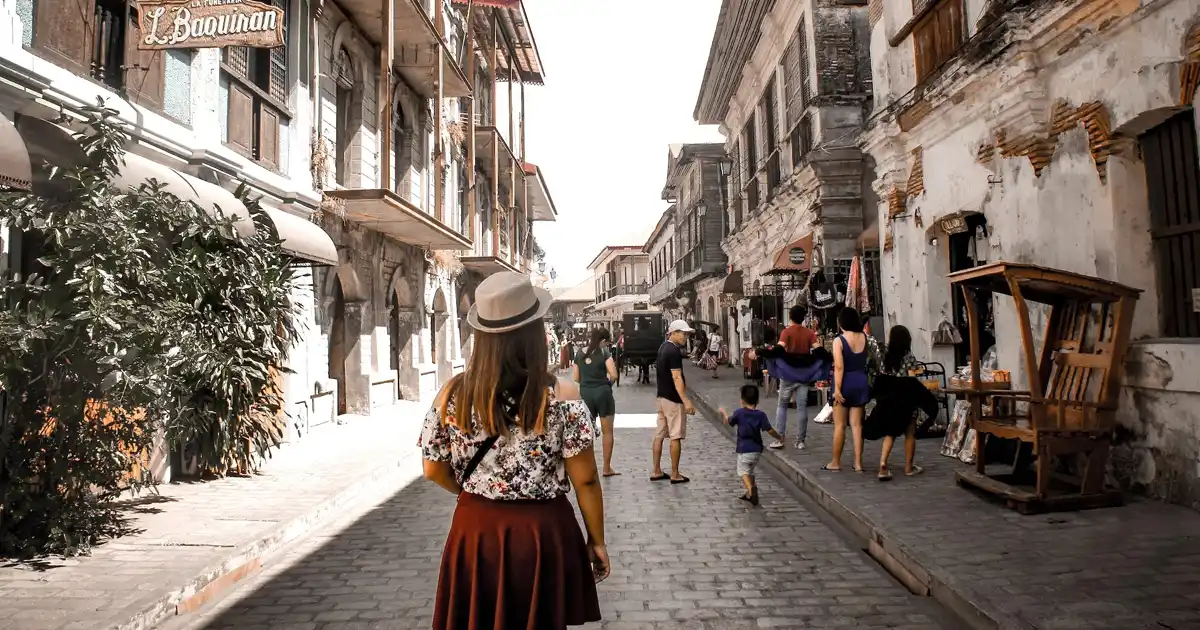
Due to its strategic geographical location, the Philippines has
served as a gateway for explorers venturing into Asia and beyond.
One of the first colonizers of the country was Spain. Spanish
colonization in the Philippines lasted for many years,
significantly shaping Filipino culture and tradition in various
aspects, such as food, clothing, religion, and language.
It’s no surprise that in the Philippines, you can witness age-old
traditions intermingling with influences from Spain, America, and
neighboring Asian countries (“Filipino History — Purdue Filipino
Association” n.d.).
For centuries, these diverse interconnections have blended to
create a unique and flavorful
cultural identity. This identity is proudly celebrated
by Filipinos both within
their island paradise and by vibrant Filipino communities around
the world.
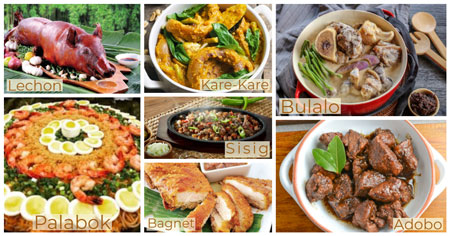
A Taste of Filipino Cuisine
Food culture in the Philippines is a flavorful journey through
various regional specialties and culinary traditions. Here are
some popular dishes that have become associated with Filipino
culture:
-
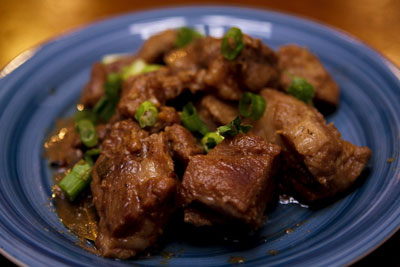
ADOBO
Often considered the national dish, adobo is made with pork or
chicken, marinated in vinegar, soy sauce, garlic, and spices,
then slow-cooked to perfection. This dish showcases the
Filipino ability to create delicious meals with simple
ingredients.
-
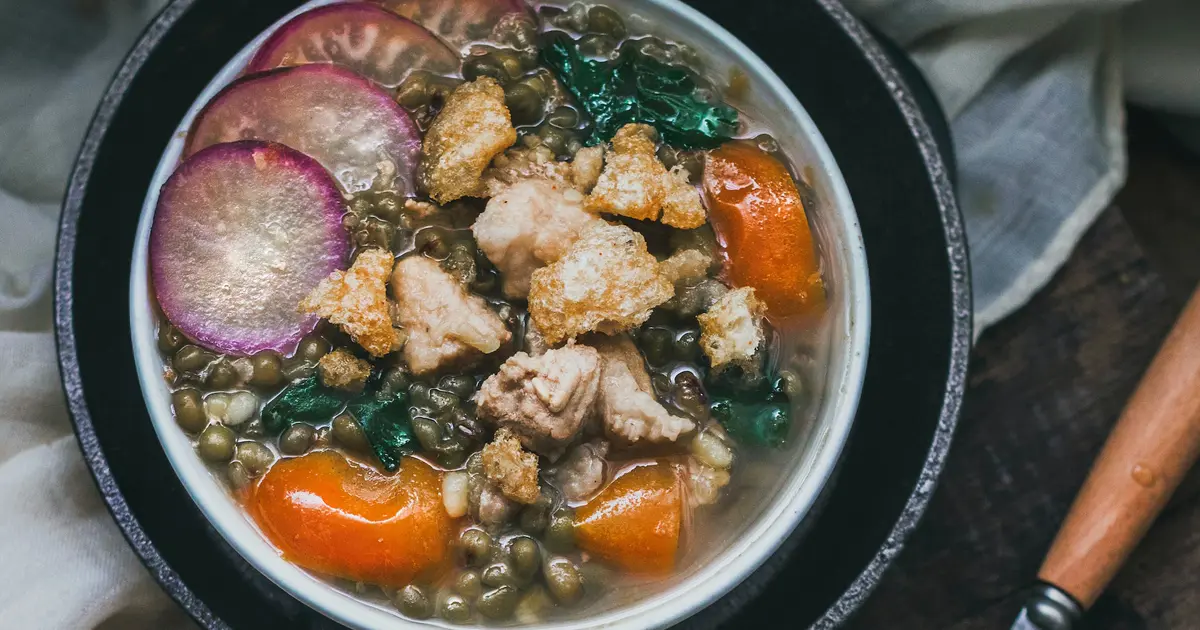
SINIGANG
A sour soup made with tamarind, tomatoes, and various
vegetables, often featuring pork, shrimp, or fish. Sinigang’s
tangy flavor is a comfort food for many Filipinos, especially
during the rainy season.
-
LECHON
A festive dish, lechon is a whole roasted pig, known for its
crispy skin and tender meat. It’s a staple in many
celebrations in the Philippines. From birthdays to fiestas and
weddings, lechon is almost always on the table.
-
HALO-HALO
A refreshing dessert made with shaved ice, sweetened beans,
and fruits, and topped with leche flan and ube (purple yam)
ice cream. This dessert reflects the Filipino love for vibrant
and diverse flavors. It is a favorite during the summer
season.
-
BALUT
Balut is one of the most popular exotic street foods in the
Philippines. It’s made from a fertilized duck egg, incubated
for 14 to 21 days, and then steamed. This food may not be as
appetizing as it looks, but it certainly has a rich taste that
many Filipinos love.
Exploring Filipino Language and Communication Style
The Philippines is a multilingual nation with about 186 languages
spoken across the archipelago. The two official languages,
however, are Filipino and English, according to The Manila Times
(Borlongan 2023).
Filipino is the national language and is used in government,
education, and media. English, also an official language, is
widely spoken and serves as a medium of instruction in schools, as
well as in business and legal settings.
Consequently, the laws of the land have both Filipino and English
versions. In recent times, Filipinos have developed “Taglish,” a
mix of Filipino and English, commonly used among the young
generation.
Besides Filipino and English, regional languages like Cebuano,
Ilocano, and Hiligaynon are also widely spoken, reflecting the
linguistic diversity of the Philippines.
The numerous languages and dialects of the country have been
influenced by other languages throughout its history, including
Spanish and Chinese.

Language is an important part of the diverse culture in the
Philippines.
In terms of communication style, it is often shaped by a unique
cultural perspective. Filipinos tend to express themselves with
humility, especially towards elders or those of higher social
standing.
They aren’t confrontational and would rather speak with humility.
However, their tone of voice can vary depending on the language or
dialect of the region they originated (Scroope 2017).
Respect is paramount, which is noticeable in their use of “po” and
“opo” when they talk to elders or those of higher status, as well
as the gesture of placing an elder’s hand on their forehead while
saying “Mano Po.”
The concept of “hiya” (to avoid causing shame or offense) is a
powerful force in Filipino interactions. This is partly due to the
cultural value placed on maintaining social harmony (Scroope
2017).
As a result, Filipinos often go out of their way to be
accommodating and avoid direct refusals, which can sometimes lead
to miscommunication.
Despite the many
languages and communication styles, the shared
cultural traits create a sense of unity among
Filipinos. Their culturally diverse language and communication
style is a reflection of the country’s vibrant history, which is a
mixture of indigenous traditions and foreign influences, all of
which contribute to the unique identity of the Filipino people.
Celebrating Filipino Festivals
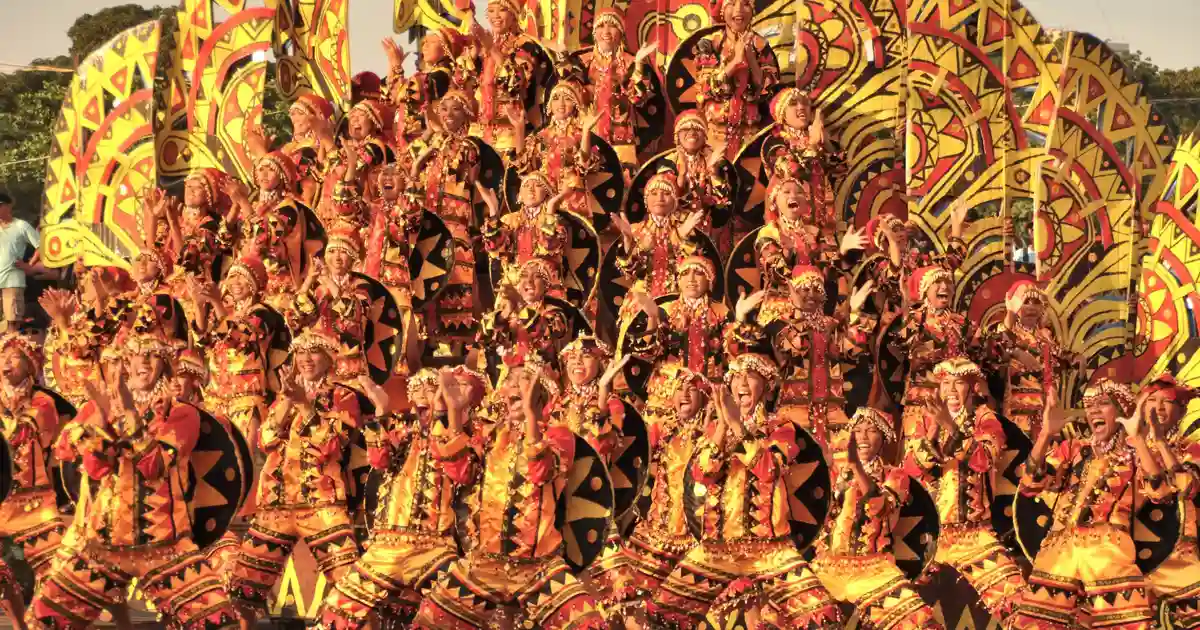
Filipinos love to celebrate, and their festivals, known as
“fiestas,” are filled with music, dancing, and vibrant costumes.
Some notable festivals include:
Discover many fascinating aspects of Philippine
culture!
-
SINULOG FESTIVAL
Held in Cebu City every January, this festival honors the
Santo Niño (Child Jesus) with a grand parade, street dancing,
and religious processions. The rhythmic Sinulog dance is a
highlight of this event.
-
ATI-ATIHAN FESTIVAL
Known as the “Mother of All Philippine Festivals,” this event
in Kalibo, Aklan celebrates the Santo Niño with colorful
costumes as well, with face paint and rhythmic dances that
mimic the movements of the indigenous Ati people, who were the
earlier inhabitants of Panay Island in Aklan.
-
PAHIYAS FESTIVAL
Celebrated in Lucban, Quezon, this festival honors San Isidro
Labrador, the patron saint of farmers, with houses decorated
in vibrant displays of fruits, vegetables, and rice. This
tradition showcases the Filipinos’ creativity and gratitude
for bountiful harvests.
-
PANAGBENGA FESTIVAL
Also known as the Baguio Flower Festival, this event showcases
the blooming season with a grand parade of flower floats and
street dancing. It celebrates the beauty and abundance of
flowers in Baguio City.
-
DINAGYANG FESTIVAL
Similar to Cebu’s Sinulog and Aklan’s Ati-Atihan Festival,
this grand event is celebrated to honor the Santo Niño. The
festival is said to have originated back in the 1960s when a
replica of the Child Jesus was brought from Cebu to Iloilo. It
showcases the culture of the Ilonggo people with a vibrant
display of colorful costumes, dances, and music.
Filipino Beliefs
The Philippines’ beliefs and traditions are a blend of indigenous,
Christian, and folk traditions.
The Philippines is a predominantly Catholic country and religious
practices and observances are integral to the daily lives of many
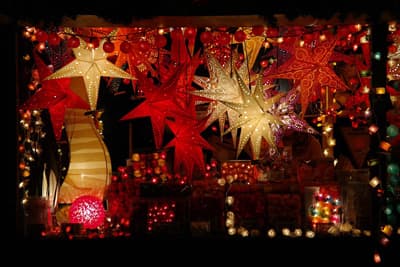
Filipinos. Major events like Holy Week and Christmas are deeply
celebrated, with various rituals such as the “Simbang Gabi” (night
masses) during the Christmas season.
Holy Week is observed through processions, re-enactments of the
Passion of Christ, and other rituals demonstrating faith and
penance.
Superstitions play a role in shaping Philippine culture and
tradition.
Filipinos also have various superstitions to bring good fortune or
to show respect for unseen forces and a desire to maintain harmony
with the spiritual world. Common beliefs include:
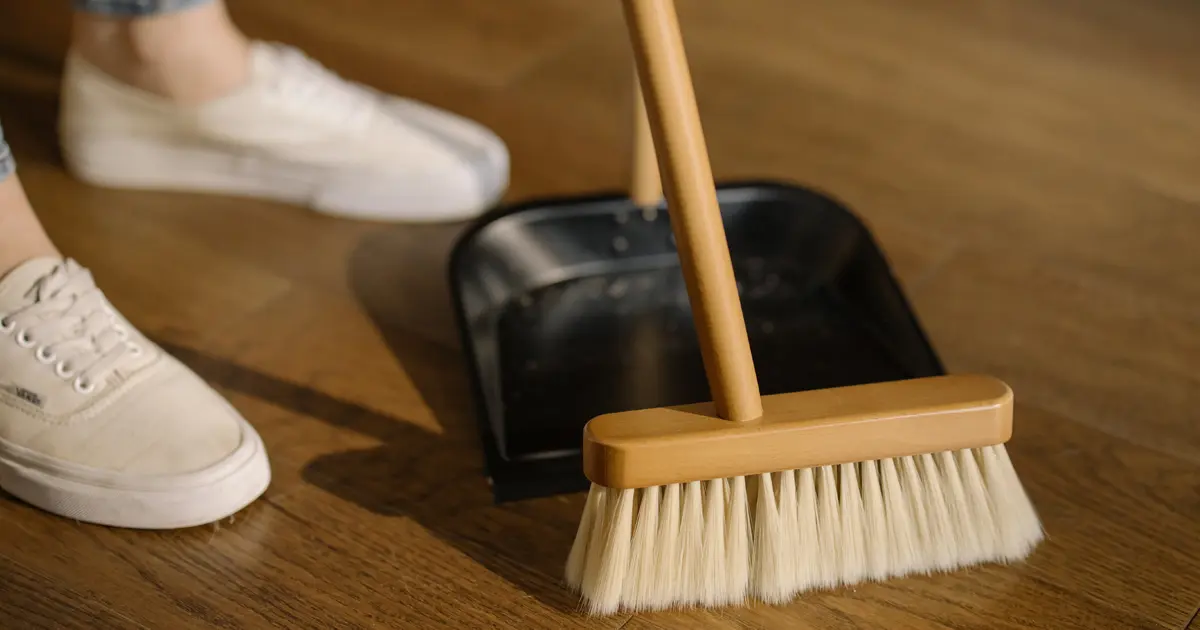
- Not sweeping the floor at night to avoid bad luck
-
Saying “tabi-tabi” to avoid bumping into any unseen entities
-
Banging pots and pans and setting off firecrackers during New
Year’s Eve to scare away bad spirits
-
Practicing “pagpag” after attending a funeral to prevent spirits
from following you home
These superstitions are often passed down through generations and
reflect a deep respect for unseen forces.
In some rural areas, ancestral and nature spirits called anitos
are still revered, with rituals and offerings to seek protection
and blessings. These spirits are believed to inhibit the natural
world, such as in trees, mountains, and rivers. This practice
connects Filipinos to their pre-colonial past and their reverence
for nature.
Filipinos incorporate their beliefs into everyday practices, such
as blessing a new house or vehicle with a priest’s prayer or
placing religious icons and images in their homes and workplaces.
Filipino Music & Arts
Just like its history, Philippine arts is diverse and expressive,
encompassing various forms, such as visual arts, music, dance, and
literature.
Filipino artists are known for their unique styles and use of
local materials. The works of local artists like Fernando Amorsolo
and Juan Luna are celebrated for their depiction of Filipino life
and history.
Music is also a big part of Philippine culture. Traditional
Filipino music includes indigenous tribal songs,
Spanish-influenced folk music, and modern pop and rock.
The use of traditional instruments adds to the rich musical
heritage of the country.
Filipinos are also widely known for having some of the best
singers in the world. This is thanks to karaoke, a favorite
pastime of many Filipinos, which is played almost every day in a
regular household.
Filipino dance forms range from the traditional “tinikling,” which
involves dancers skillfully skipping between bamboo poles, to
modern hip-hop and contemporary dance styles.
Dressing Up Filipino Style
Traditional Filipino clothing reflects the country’s history and
cultural diversity.
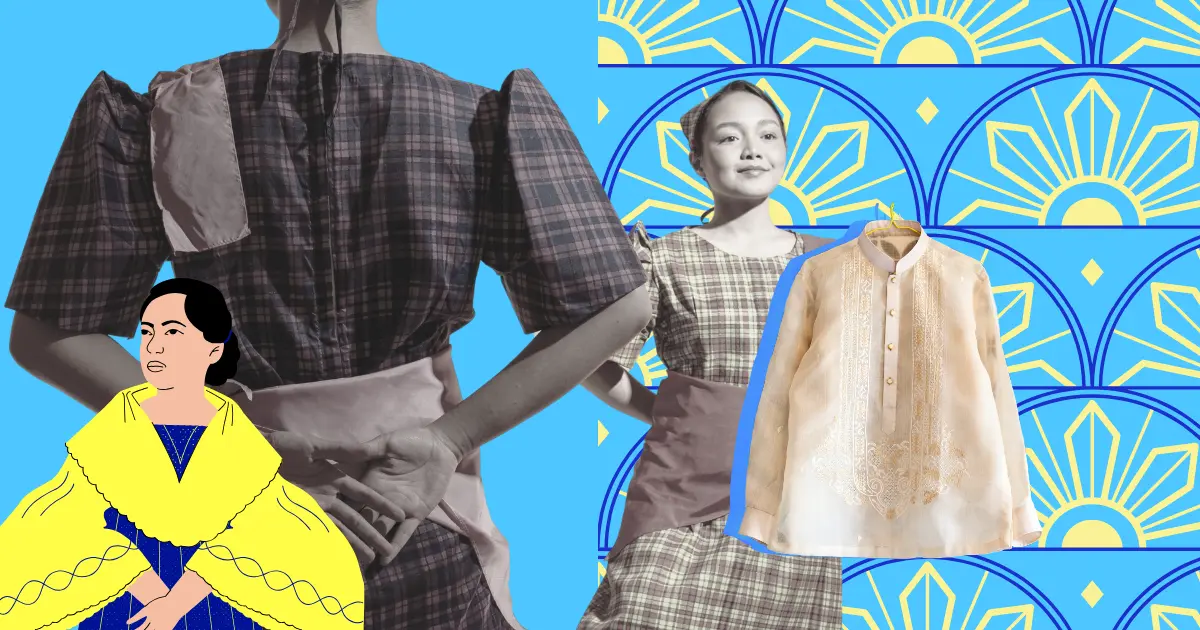
The “Barong Tagalog” is a national attire for Filipino men, often
worn during formal occasions. It’s a lightweight, embroidered
shirt made from pineapple or abaca fibers.
For women, the “Baro’t Saya” (blouse and skirt) is a traditional
dress ensemble with distinctive butterfly sleeves. It’s a mix of
early native Filipino and Spanish clothing styles. This cultural
dress of the Philippines is a representation of Filipinas and an
expression of their confidence and grace.
The cultural dress of the Philippines is usually worn
during special occasions.
Both men’s and women’s cultural attires have played a significant
role in Philippine culture and tradition.
In recent times, Filipinos have adopted different clothing styles,
but the national costumes are still used until now, especially
during special occasions.
Social Customs
Indigenous and foreign influences on Filipino customs and culture
are evident in various aspects of daily life, including family
dynamics, social interactions, and community celebrations.
Here are some Filipino culture examples:
-
Family and Kinship
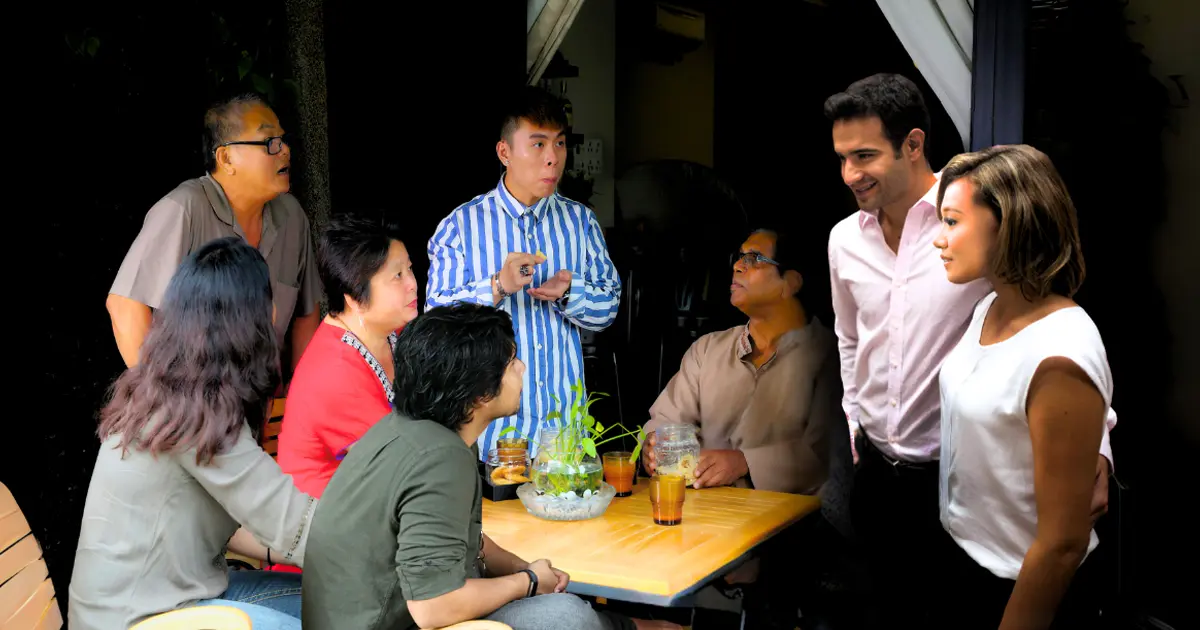
Family is the cornerstone of Filipino society. Filipinos have
strong familial ties, often extending beyond the nuclear
family to include distant relatives, which is evident in
different celebrations and gatherings.
-
Hospitality
Filipinos are known to have warm and welcoming personalities,
which makes the Philippines a great destination for
foreigners. This hospitality may stem from their strong sense
of community, which is deeply ingrained in Filipino culture.
-
There is a lot to admire about traditional Filipino
customs and culture.
Respect for Elders
Filipinos have high respect for their elders. As mentioned,
they use the terms “po” and “opo” and practice “Mano Po.” They
are also mindful of their tone of voice when talking to
elders, as it’s considered disrespectful when you talk to them
in a high tone.
-
“Bayanihan”
Another example of their strong sense of community is the
“Bayanihan.” It’s helping their neighbors achieve a specific
goal without expecting something in return. It’s a community
effort to reduce the workload of others.
Filipino Dating Culture
Dating culture in the Philippines is a blend of tradition,
modernity, and respect. Here’s a glimpse into what you might
encounter:
-
“Harana” (Serenading)
Harana is a dating tradition in the Philippines where the man
serenades a woman he likes, either alone or with the help of
his friends. The woman then will look through the window and
listen to the guy singing.
-
“Ligaw” (Courtship)
The traditional courtship or “ligaw” in the Philippines is a
long process. The man has to wait for a few months or even
years before he can get the “yes” of the woman he likes. It’s
one way to show that he is serious about pursuing a
relationship with her.
-
Courting the Family
In the Philippines, the woman’s family and friends are
involved in the courtship process. The man has to make an
effort to get the approval of the woman’s family. Making a
good impression on them is important, as their approval can
influence the outcome of the relationship.
-
Modern Dating
While some traditions remain, modern dating apps and online
platforms have been gaining popularity. However, the Filipino
emphasis on courtship traditions and getting to know someone
on a deeper level still hold true in the digital world.
Filipina Beauty Influences
Filipina beauty standards are a mix of tradition and global
influences. Historically, lighter skin was seen as more desirable,
reflecting colonial-era preferences. However, this has changed
over the years.
Modern Filipinas embrace their natural skin tone, celebrating the
rich palette of brown and olive.
Filipinas come in all shapes and sizes. Their features are
influenced by Spanish, American, and Chinese ancestry. This is
what makes them so mesmerizing—each Filipina is a unique
expression of beauty.
But Filipina beauty goes beyond the physical aspect. It’s their
infectious spirit and unwavering resilience. Confidence and grace
add another layer to their overall charm.
Perhaps this is why Filipinas have consistently stolen the
spotlight on the international stage, consistently ranking high
and claiming numerous crowns in prestigious beauty pageants.
Their beauty is a testament not just to their physical attributes,
but also to the strength and spirit that define Filipinas.
The Real Beauty of Philippine Culture
Of all that’s been said, the true beauty of Philippine culture
isn’t found in any single aspect, but rather in the way it weaves
together warmth, resilience, and a vibrant spirit.
Filipinos are known for their welcoming smiles and open hearts,
readily sharing meals and making you feel like family. Their
strong sense of community creates a warm and inviting atmosphere.
Challenges are faced with a heartwarming spirit of cooperation,
while their family ties create a sense of belonging and support.
As mentioned, celebrations often involve extended families,
reflecting the importance of these connections.
The Philippines’ culture is not perfect, but it’s the epitome of
the resilience of Filipino people, from surviving colonizers to
building a nation that promotes respect and unity.
In the end, the beauty of Philippine culture lies in the people’s
ability to celebrate community and family, as well as finding joy
in the simple things, all with a warm smile.
.
.
.
Good job on reaching the end of this article! Here are some more
fun facts to know about Philippine culture.
Did you know that there are all kinds of interesting
cultural facts about the Philippines?
There are many other cultural facts about the Philippines that can
aid you in your travels or when interacting with the locals. It
definitely helps to know the basics, so we hope this guide will
serve as a good starting point for your journey to learning more
about Philippine culture!
.webp "philippine-women.com")